

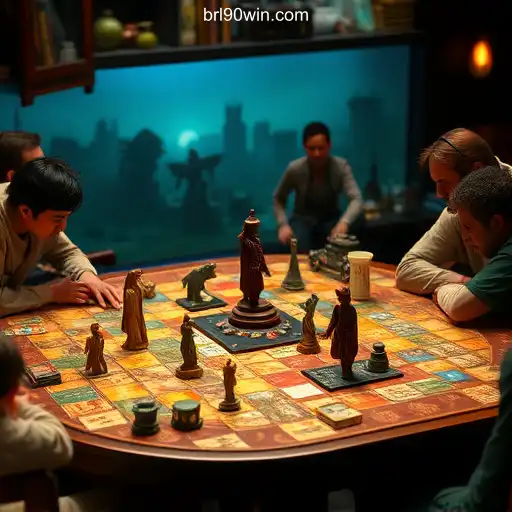
Tabletop Games: A Timeless Journey of Strategy and Imagination
Tabletop games have been a beloved form of entertainment for centuries, captivating players with their blend of strategy, imagination, and social interaction. Whether played in the comfort of a home, a bustling café, or a dedicated gaming venue, these games offer an engaging escape from the digital world. With genres ranging from board games and card games to role-playing adventures and war games, tabletop gaming transcends age and cultural boundaries, uniting people in playful competition and storytelling.
The Evolution of Tabletop Gaming
Tabletop gaming has a rich history, with roots tracing back to ancient civilizations. Early forms of these games have been discovered in archaeological sites across the globe, from Egyptian senet boards to ancient Chinese go sets. Over centuries, games evolved, influenced by cultural exchanges and societal developments. In the modern era, the 20th century marked a significant evolution with the introduction of iconic games like Monopoly, Risk, and Scrabble.
Today, the tabletop gaming landscape is more diverse and vibrant than ever. Innovations in game design and production have allowed for the creation of intricate and immersive experiences. Modern classics like Catan, Carcassonne, and Ticket to Ride have brought new dimensions to the hobby, combining strategy, chance, and skill in unique ways.
The Role of Technology in Tabletop Games
While technology has revolutionized many forms of entertainment, it has also played a role in enhancing the experience of tabletop games. Digitally aided board games have emerged, providing players with interactive elements such as mobile apps and electronic components. These advancements have transformed how players engage with their games, offering enriched narratives and dynamic gameplay mechanics.
Yet, amidst the digital transformation, the core appeal of tabletop games remains their tangible nature and the face-to-face interaction they facilitate. These games encourage players to gather around a table, fostering communication, negotiation, and collaboration. This social component is a vital aspect of the tabletop gaming experience, proving that even in a high-tech world, human connections remain a fundamental part of play.
Tabletop Games and Community Building
Tabletop games are more than just a leisure activity; they are a tool for building communities. From local game stores hosting weekly game nights to large conventions drawing enthusiasts from around the world, these games create shared experiences and lasting friendships. The sense of community is particularly evident in the world of role-playing games (RPGs), where players co-create stories and characters over extended campaigns.
Game manufacturers, designers, and publishers have recognized the importance of fostering these communities. Many have embraced platforms like Kickstarter to engage directly with their audience, gaining support for new projects and establishing meaningful interactions with fans. This relationship between creators and players has been pivotal in driving the popularity of tabletop games in recent years.
Exploring Different Genres
The variety of tabletop games available caters to a wide range of interests and preferences. Board games come in many forms, from abstract strategy games that challenge critical thinking to thematic games that transport players to fantastical worlds. Card games, both traditional and modern, offer fast-paced action and strategic depth. The resurgence of RPGs like Dungeons & Dragons has opened doors to imaginative storytelling and character development.
War games provide a more tactical experience, simulating historical or fictional battles on detailed maps with intricately designed miniatures. These games often require extensive planning and strategy, appealing to those who enjoy meticulously crafted scenarios and competitive gameplay.
For those seeking lighter fare, party games deliver laughter and camaraderie, offering games like Codenames and Cards Against Humanity, perfect for social gatherings and casual play. The diversity in tabletop gaming ensures there's something for everyone, making it an inclusive hobby that continues to grow in appeal.
90Win Brasil: O Melhor Cassino Online e Apostas Esportivas
In the realm of games and entertainment, the digital space has also seen a rise in popularity with online casinos and sports betting, offering another dimension to gaming enthusiasts. Platforms like 90Win Brasil: O Melhor Cassino Online e Apostas Esportivas provide a convenient option for those who enjoy the thrill of betting and casino games from the comfort of their homes. These platforms offer a variety of games, from classic casino offerings to innovative new titles, competing with the social and interactive appeal of their tabletop counterparts.
However, while digital platforms like 90Win Brasil offer the allure of convenience and accessibility, they contrast with the tactile and communal nature of tabletop games. The physical presence of game pieces and the shared experience of gathering around a table offer a unique form of engagement that online platforms strive to replicate in different ways.
The Future of Tabletop Gaming
As tabletop gaming continues to evolve, the community remains at the heart of its success. Designers and publishers are constantly exploring new themes, mechanics, and technologies to enhance the player experience. The resurgence of interest in analog gaming reflects a broader desire for genuine interactions and immersive experiences that transcend the digital realm.
As more people discover the joys of tabletop gaming, its future appears bright. The continued innovation and enthusiasm from players and creators alike ensure that tabletop games will remain a cherished pastime for generations to come.